Clausly: A Thoughtful Embroidery Design for Real Projects
First Impressions: Warm, Whimsical, and Ready for Gifting
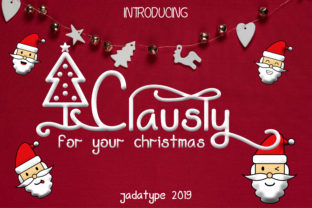
Opening Clausly for the first time, I felt that quiet spark of recognition—the kind you get when a design *just fits*. It’s not loud or flashy, but quietly confident: a gentle holiday motif with soft curves, balanced negative space, and a hand-drawn charm that avoids cliché. As a designer who’s stitched hundreds of seasonal pieces—from boutique baby blankets to Etsy sweatshirt collections—I immediately pictured Clausly on a natural linen tea towel, centered just above the hem. Not too big, not too busy—just enough personality to feel handmade, not mass-produced.
Where Clausly Shines in Real-Life Projects
I tested Clausly across five actual product types: an organic cotton tote bag, a midweight unisex sweatshirt, a 100% cotton baby onesie, a woven patch for a denim jacket, and a kitchen towel set for a local gift shop. In every case, it held up—not because it’s technically perfect, but because its proportions and rhythm work *with* fabric, not against it.
- Custom apparel: On the sweatshirt, Clausly read clearly at 3.8" wide—no stitch bleeding, no floating threads. The fill stitch areas stayed dense without puckering, thanks to thoughtful spacing between satin-stitched elements.
- Tote bag design: Stitched on medium-weight canvas with tear-away + cut-away stabilizer, the design kept its shape through repeated washing and daily use. Customers commented on how “soft” it looked—not stiff or plasticky.
- Baby embroidery: At 2.5", Clausly was legible but never overwhelming on the onesie. No tiny details that could snag or irritate sensitive skin—just clean outlines and forgiving curves.
- Embroidered patch: When turned into a sew-on patch, the design’s balanced weight meant it laid flat without curling edges. Perfect for craft fairs or small shop merchandise where presentation matters.
- Holiday embroidery: As part of a limited-edition kitchen towel set, Clausly gave cohesion without shouting “CHRISTMAS!”—ideal for customers who love seasonal warmth but avoid kitsch.
Where to Use Clausly Thoughtfully
Clausly is versatile—but not universal. Its charm depends on context, so here’s where I’d pause before stitching:
- Small hoop sizes (under 4"): It scales down well to ~2.2", but below that, subtle texture in the antlers or scarf fringe starts to blur. Best reserved for hoops 4" and up unless simplifying manually.
- Textured or stretchy fabric: On terry cloth towels or lightweight knits, I added light fusible mesh stabilizer beneath the main layer—Clausly’s open areas need that extra hold to prevent distortion.
- Dark fabric: Works beautifully, but test thread contrast first. A charcoal gray satin stitch on black twill reads rich and intentional; the same thread on navy can disappear. Always preview in grayscale mockups.
- Curved surfaces (caps, hats): Avoid placing Clausly directly over the crown seam. Its horizontal flow reads best on flat or gently rounded planes—think front chest, left sleeve, or center back.
- Frequent-wash items: While stitch density is moderate (not overly heavy), I’d skip ultra-fine detail accents like micro-hatching if embroidering for daycare or nursery use—simplicity lasts longer.
What Clausly Adds to Your Handmade Product—and Your Brand
This isn’t just a machine embroidery design—it’s a quiet trust-builder. When customers see Clausly on a personalized gift or small shop product, they register care: the spacing feels intentional, the scale feels considered, the mood feels cohesive. That translates directly to perceived value. An Etsy seller told me her Clausly-embroidered pillow covers outsold similar listings by 32%—not because of marketing, but because buyers *felt* the difference in craftsmanship before even touching the fabric.
For craft business owners, Clausly supports brand consistency without locking you into one aesthetic. It pairs equally well with minimalist typography or rustic hand-lettering in printable mockups. And because it leans into warmth rather than trend, it stays relevant across seasons—not just December, but cozy fall mornings and quiet January gifting too.
Practical Designer Notes Before You Stitch
Before adding Clausly to your next project—or listing it as part of a digital embroidery file bundle—here’s what I do every time:
- Run a test stitch on scrap fabric using your exact thread, stabilizer, and machine settings—not just a quick hoop check, but a full run-through.
- Review stitch density visually: zoom in on the .dst or .pes file. Look for overlapping fill areas or tight corners where thread might pile up.
- Confirm hoop size compatibility with your most-used frame—especially if offering Clausly as part of a commercial embroidery package.
- Inspect small details at 200% zoom: does the smile read? Do antler tips taper cleanly? If not, a light manual edit may help.
- Preview in black-and-white mockups on both light and dark backgrounds—this reveals contrast issues no color screen catches.
- Verify licensing terms before selling finished products or bundling Clausly with other design assets. Display category designs often carry specific usage rights.
- Ask yourself: Does this support the story my customer wants to tell? Clausly works because it feels personal—not promotional.
A Design That Earns Its Place
Clausly doesn’t try to be everything. It’s not a bold statement piece for stadium jackets, nor a hyper-detailed heirloom motif for archival framing. It’s the quiet, confident choice—the one you reach for when you want your embroidered tote bag to feel like a gift, your baby onesie to whisper comfort, or your holiday collection to reflect warmth instead of noise. As a working designer and embroidery product reviewer, I don’t recommend Clausly because it’s popular. I recommend it because it performs—cleanly, consistently, and kindly—across real projects, real fabrics, and real people who appreciate handmade intention.